


How an Orphan from the Cotton Fields Bought a Mansion in an Exclusive White Neighborhood
From Cotton Field Orphan to Empire Builder: The Legend of Madam C.J. Walker
A Glimmer of Hope at the Edge of Despair
In 1867, amid the dust and hardship of a Louisiana cotton plantation, Sarah Breedlove was born. She was the first child in her family born into freedom—yet freedom offered no shield against crushing poverty. Orphaned at age seven, she married at fourteen to escape an abusive home. By the time she was twenty-eight, her husband was dead, leaving her alone in the world with a infant daughter.
Moving to St. Louis, Sarah took on the backbreaking work of a laundress, earning barely a dollar a day.
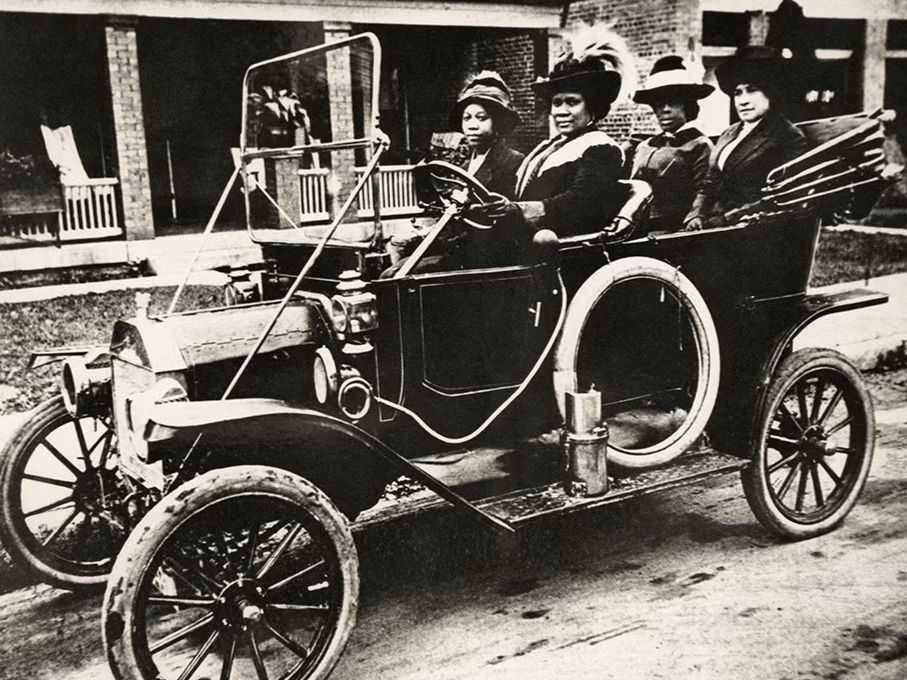
Her crisis, however, was not merely physical—it was written on her very body. Like many Black women of the era, Sarah lived in substandard housing lacking indoor plumbing. Washing hair regularly was a luxury, and women frequently scrubbed their scalps with harsh lye soaps meant for laundry. Malnutrition and unhygienic conditions led to severe scalp infections and rampant hair loss. Watching her hair fall out in handfuls, Sarah trembled with shame. A visibly thinning scalp was not just a medical condition; it felt like a total loss of dignity.
Sarah later recalled this desperate hour with an intriguing revelation: after fervent prayers, a Black man appeared to her in a dream, revealing sacred African remedies and formulas. Whether this divine revelation was a true spark of inspiration or a stroke of marketing genius matters little. What followed was absolute, relentless empirical action.
Rejecting harsh detergents, Sarah selected soothing botanical herbs and sulfur—a powerful antibacterial agent—as her core ingredients. After weeks of careful formulation and testing, the unbearable itching subsided, and the inflammation healed. Upon a restored scalp, fine new hair began to emerge. Though framed as a miracle, its true essence was a profoundly practical remedy for a neglected scalp. This marked the quiet birth of the Walker System—a breakthrough that would ultimately transform the lives of tens of thousands of Black women.
The Clash of Rivals and the Birth of "Madam C.J. Walker"
Sarah did not begin her journey as a titan of industry. She started as a door-to-door sales agent for Annie Malone, an established beauty mogul in the Black cosmetic industry. Working under Malone, Sarah absorbed the mechanics of product formulation and distribution while quietly nurturing a grander vision of her own. In time, their relationship would evolve from mentorship into the fiercest "millionaire rivalry" in the history of Black cosmetics.
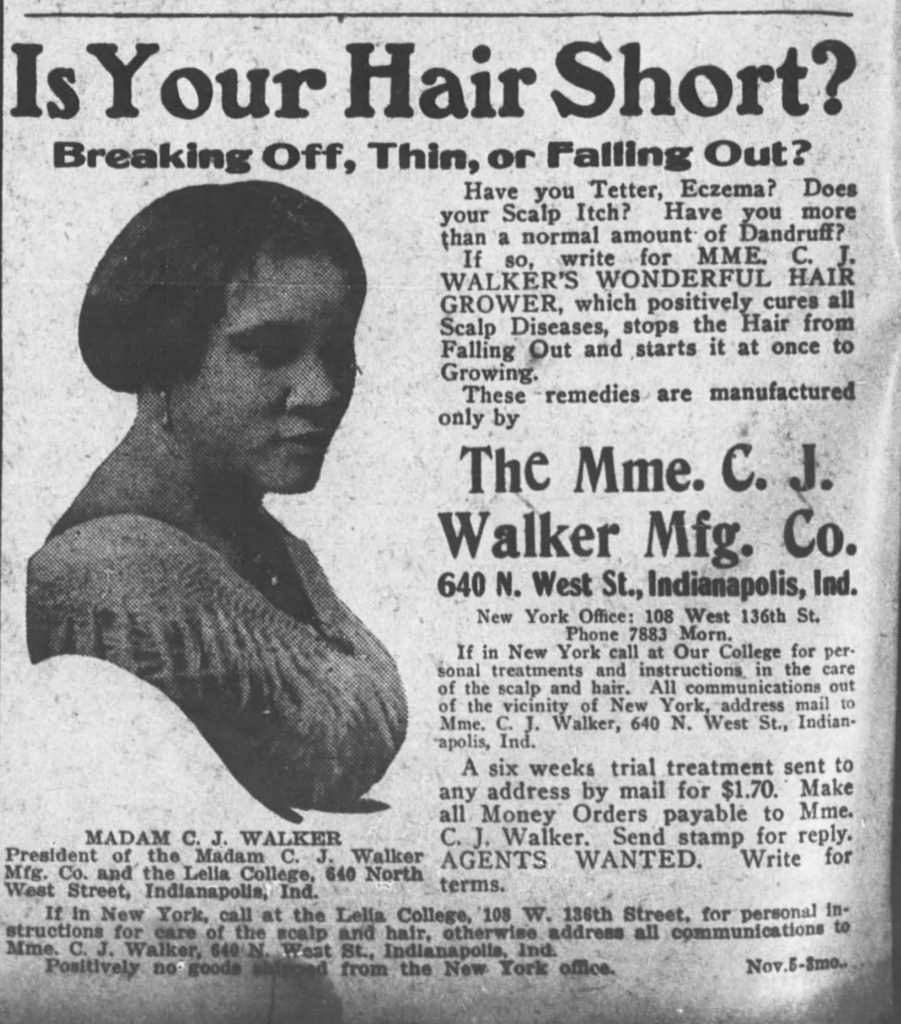
In 1905, armed with just $1.50 in savings, Sarah relocated to Denver. Her move toward independence immediately ignited a war. Annie Malone publicly accused Sarah of stealing her secret formula, running warning notices in local newspapers. Undeterred, Sarah struck back, aggressively advertising the distinct originality and superiority of her own products. Paradoxically, the public moral disputes and legal spats taught Sarah a vital lesson: the indispensable power of an unmistakable personal brand.
Upon marrying advertisement specialist Charles Joseph Walker, Sarah rebranded herself completely as Madam C.J. Walker. This was no mere name change—it was a masterstroke of identity strategy. Featuring her own face proudly in newspaper advertisements, she delivered a message that resonated deeply with her audience:
"I am one of you. I suffered from the very pain you feel, and I healed myself."
In a community where trust was the most prized currency, Sarah staked her personal life story as her guarantee. She refused to remain just another vendor selling products. Instead, she preached a revolutionary philosophy: that beauty was a cornerstone of self-worth and a vehicle for economic independence. Stepping permanently out of Annie Malone’s shadow, Madam C.J. Walker began constructing her own unshakeable empire.
Footsteps at the Door: Building a 20,000-Strong Army
Denver soon proved too small for her ambition. The Black population in Colorado was modest, and sitting passively in a shop waiting for walk-in clients could never fuel exponential growth. Choosing bold confrontation over comfort, Sarah hit the road. Between 1906 and 1907, she and her husband embarked on a grueling 18-month sales crusade across the American South and Midwest.
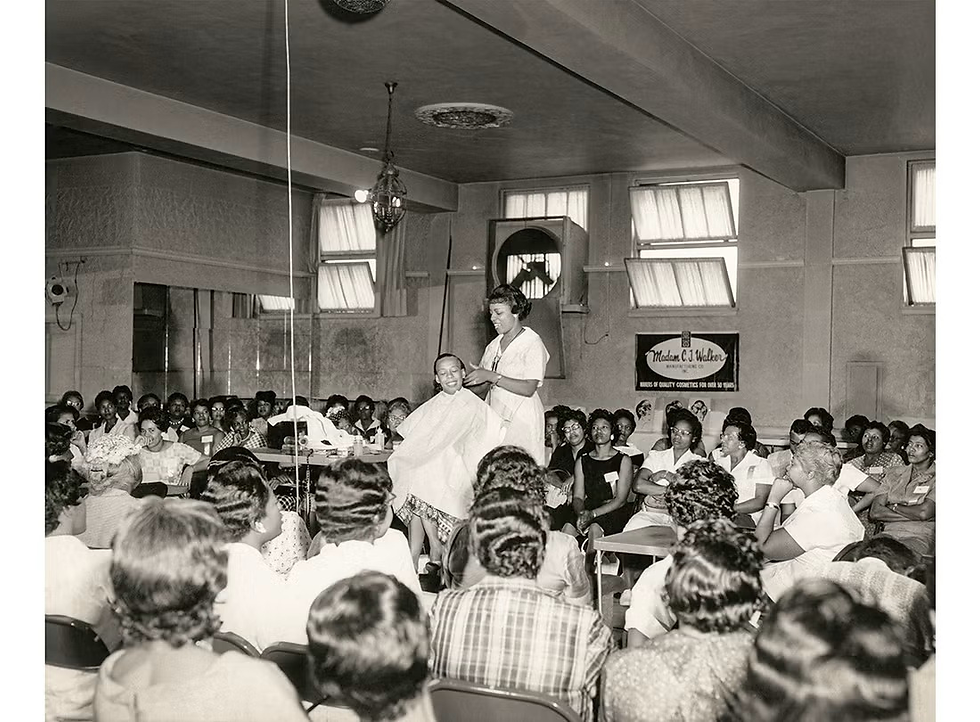
Rather than simply hawking products, Sarah targeted local churches and community centers. Wherever Black women gathered, she demonstrated her scalp treatments firsthand and built profound trust. During these travels, she unlocked a pivotal insight: true scale would not come from selling products alone, but from training an elite army of brand ambassadors.
In 1910, Sarah moved her headquarters to Indianapolis—a strategic hub for logistics and transport—and institutionalized her business. She systematically trained independent female agents known as "Beauty Culturists."
At a time when job opportunities for Black women were largely restricted to domestic service or heavy laundry, Sarah outfitted her agents in crisp white uniforms, instilling business etiquette, financial literacy, and sales psychology. By 1917, this network exceeded 20,000 women. Stretching across the United States and into the Caribbean, this was no ordinary sales force—it was a powerful economic engine empowering Black women to claim financial autonomy.
Beyond Racial Barriers: Leaving a Monumental Legacy
Even as her commercial success soared, Sarah faced formidable societal walls: systemic racism, legal segregation, and a deeply entrenched glass ceiling that resisted female leadership. The 1910s in America were a brutal era plagued by rampant racial violence and lynchings. The constant threat of terror hung over even the most successful Black citizens. Sarah realized that the only forces capable of dismantling these violent barriers were economic sovereignty and collective solidarity.
When she donated $5,000—a staggering sum at the time—to the NAACP’s anti-lynching campaign, it was far more than act of charity. It was a strategic investment to safeguard the very social infrastructure in which her clients and agents lived. She understood a fundamental business truth: a market where your consumers' very lives are under siege is a market that cannot endure.
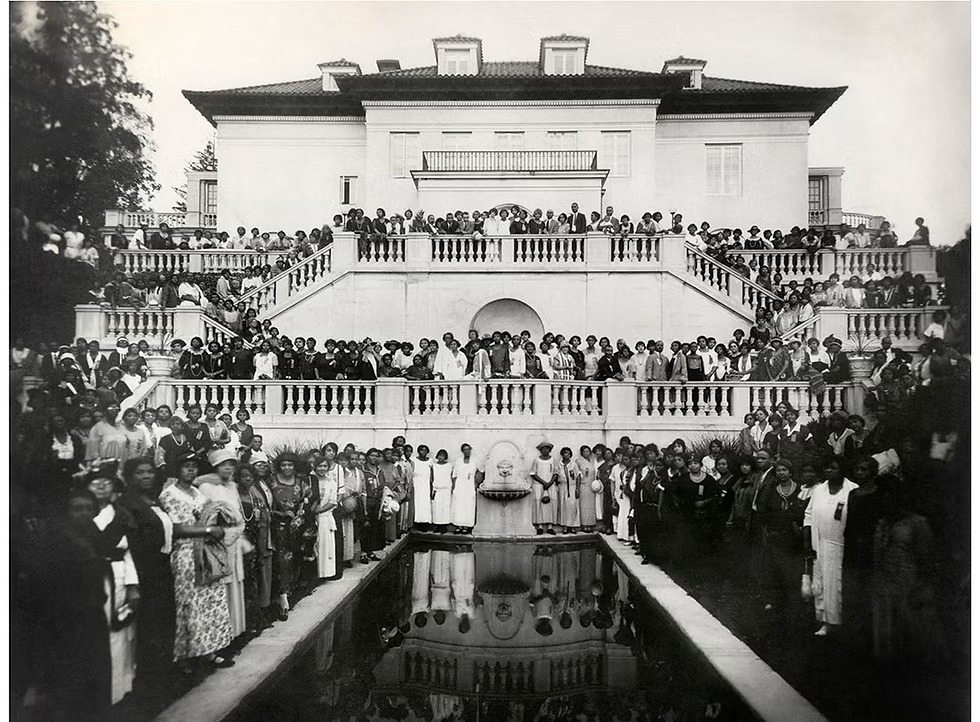
Her most audacious statement was Villa Lewaro, a breathtaking estate built in the wealthy white enclave of Irvington-on-Hudson, New York. Designed by Vertner Tandy, the first registered Black architect in New York State, this grand mansion was a triumph of design and a declaration of war against prejudice. Villa Lewaro stood as an elegant monument proving that a Black woman could attain and enjoy the absolute pinnacle of success. It was built not for ostentation, but to ignite pride across the entire Black community.
In 1919, Sarah Breedlove passed away at the early age of 51. Yet, even in her final moments, she protected her core mission. Her will explicitly mandated that the president of her company must always be a woman. It was the final, indelible declaration of her lifelong core philosophy: only when women hold economic power will the rules of the world truly change.
An Enduring Inspiration
The epic journey of Sarah Breedlove—from a cotton field orphan to the legendary Madam C.J. Walker—continues to resonate powerfully today. Her dramatic story gained worldwide acclaim through the 2020 Netflix original series, Self Made: Inspired by the Life of Madam C.J. Walker, starring Academy Award winner Octavia Spencer.
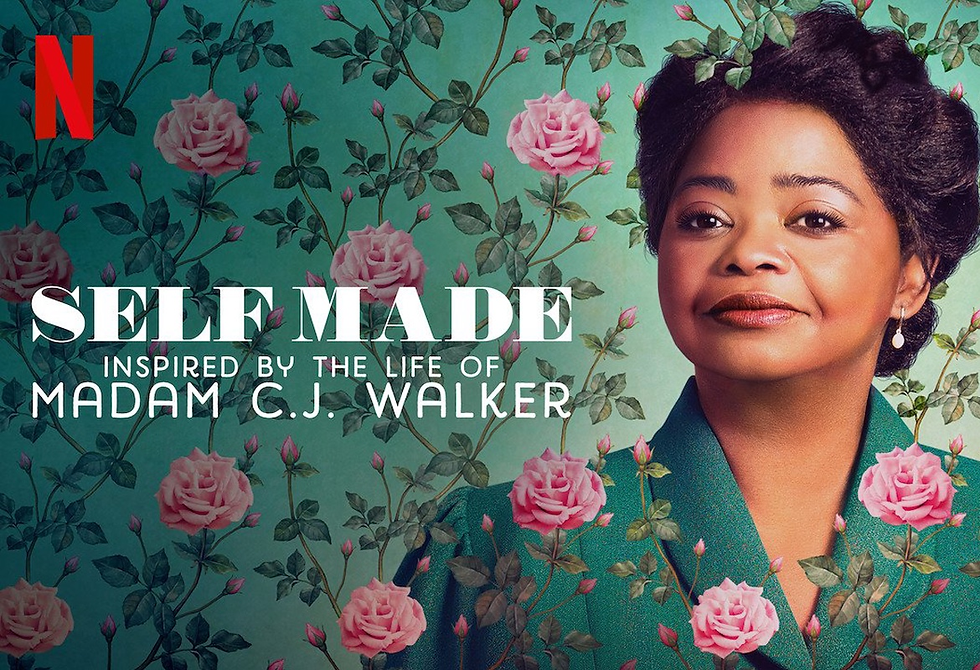
Madam C.J. Walker’s life reminds us of a timeless truth: destiny is not something you are given; it is something you design and claim. What she left behind was far greater than immense wealth—it was the eternal proof that anyone possesses the power to master their own fate.


Comments